

CEPSA’s second annual pharmacovigilance training workshop
5 October 2026
Shaping the future DHS leader
9 October 2026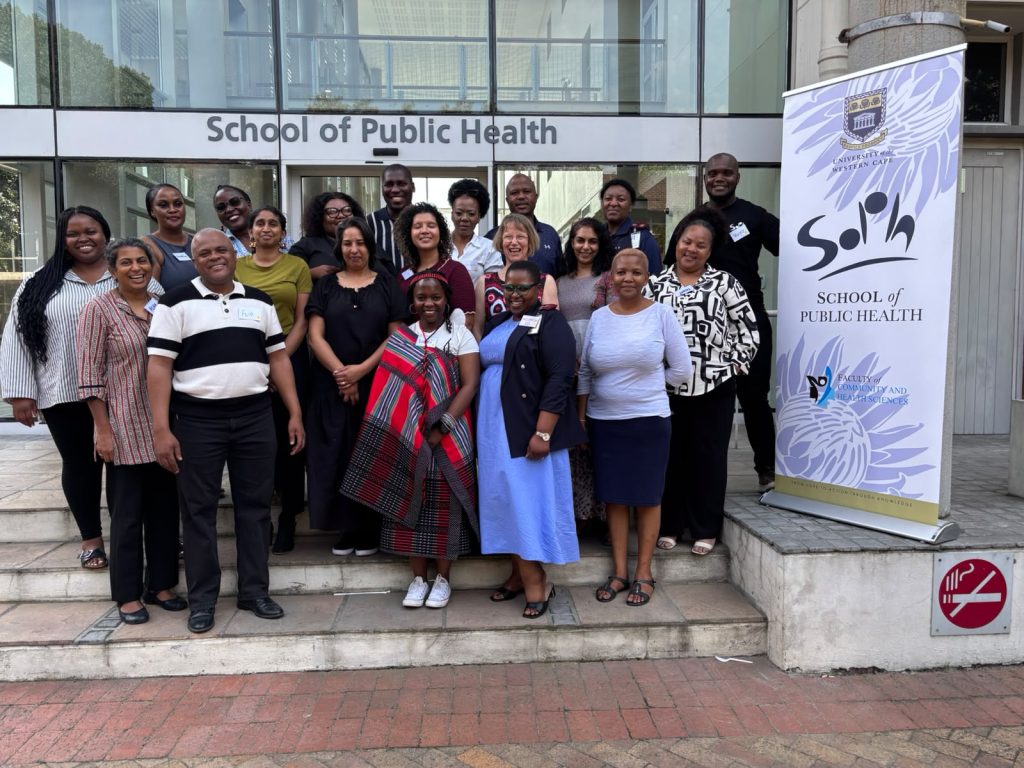
Strengthening Trauma-Informed Leadership: A Collaborative Engagement with City Health Managers
Area East City Health managers partnering with UWC School of Public Health to strengthen Trauma-Informed Leadership.
On 22 September 2026, the School of Public Health and health managers from the City of Cape Town Health Area East came together to reflect on and strengthen trauma-informed leadership. The workshop highlighted the extent to which trauma is woven into the day-to-day experiences of health managers and their teams and the range of management responses and leadership needed.
Yandisa Mtambeka, from the Employee Assistance Program (EAP) at City Health, emphasised that trauma should not be understood only in relation to violent events. She described the cumulative effects of chronic exposure to stress and the ways in which these ongoing experiences can contribute to burnout, and other physical and psychological effects of trauma. These ‘little traumas’, as Yandisa described them, can have a significant and detrimental effect on the wellbeing of health managers and their teams. She also noted that trauma is subjective; that is, it is defined not just by the occurrence of a difficult experience itself, but by its effect on the individual, which can vary from one person to another.
Speaking on trauma-informed leadership, Karessa Govender explained that it is an approach to leadership that recognises how stress, fear and previous experiences of trauma can shape the way we think, make decisions, communicate and behave in the workplace. Building on this, Dr Phoene Oware unpacked the core principles of trauma-informed practice (see box). Participants were invited to reflect on how these principles are experienced and enacted within their own workplaces.
Yonela Mentese, Environmental Health Head for Khayelitsha Sub District -Area East, led a discussion on the support managers need and the practices they can implement to strengthen trauma-informed leadership. Participants highlighted the importance of training in trauma-informed practices such as emotional competence, creating protected time for debriefings and regular check-ins, balancing staff and organisational priorities, and undertaking joint planning with stakeholders, specifically community members, to strengthen existing relationships. They also emphasised the value of seeking direct feedback from staff who have experienced trauma, to better understand their needs and inform appropriate responses.
Dr Vera Scott, Area Manager for City Health Area East, closed the session by highlighting the importance of translating the learning from the discussion into practice, including by incorporating key insights into the Area East Safety Plan.
The Imarisha team will continue working with Environmental Health Practitioners (EHPs) and the City EAP Unit to better understand the lived experiences of EHPs and explore how workplaces can strengthen their responses to workplace violence.
Trauma-Informed Principles
- Physical and psychological safety
- Connection and belonging
- Trust and transparency
- Cultural humility and equity
- Empowerment, voice and choice