
What do UWC students think about mental health?
15 October 2026
Reflections on Quality: transforming a District Health System meeting into a space of learning
16 October 2026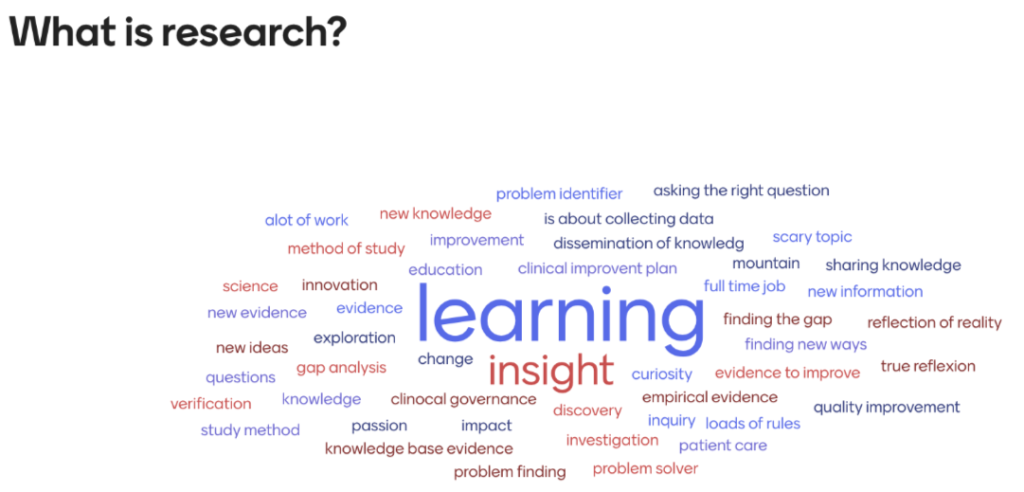
Capacity Strengthening: KESS and SOPH Prepare for KESS Research Day
From Practice-Based Knowledge to Research: Strengthening Research Capacity Among Khayelitsha Eastern Substructure Health Workers
Khayelitsha East Substructure (KESS), Western Cape’s Department of Health and Wellness, and the School of Public Health (SOPH), University of the Western Cape collaboratively convened a research abstract writing capacity strengthening workshop series for KESS staff ahead of KESS Research Day 2026. The process was supported by the Imarisha initiative given its commitment to capacity strengthening. Across the three workshops there was a cohort of ten participants with eight abstracts drafted and six were successfully submitted to the KESS research day review committee.
The workshops focussed on experiential learning and peer support to make the abstract development process more accessible and collaborative for non-academic partners who have deep experiential and tacit knowledge of clinical, health system and community health innovation and learning in Khayelitsha. Participants noted how research and academic writing were intimidating processes that reflected power relations in various ways and a peer learning space to share and collectively learn was welcomed.
Planning involved several joint discussions to conceptualise support for developing high-quality abstracts and preparing authors for abstract submission. The workshops covered three key areas, understanding the call for abstracts and ethical considerations, developing and peer-reviewing abstracts, and preparing final submissions.These sessions were co-facilitated by KESS with alternating guest professors from SOPH. It was also an opportunity to offer support and nurture relationship building between health workers and academics.
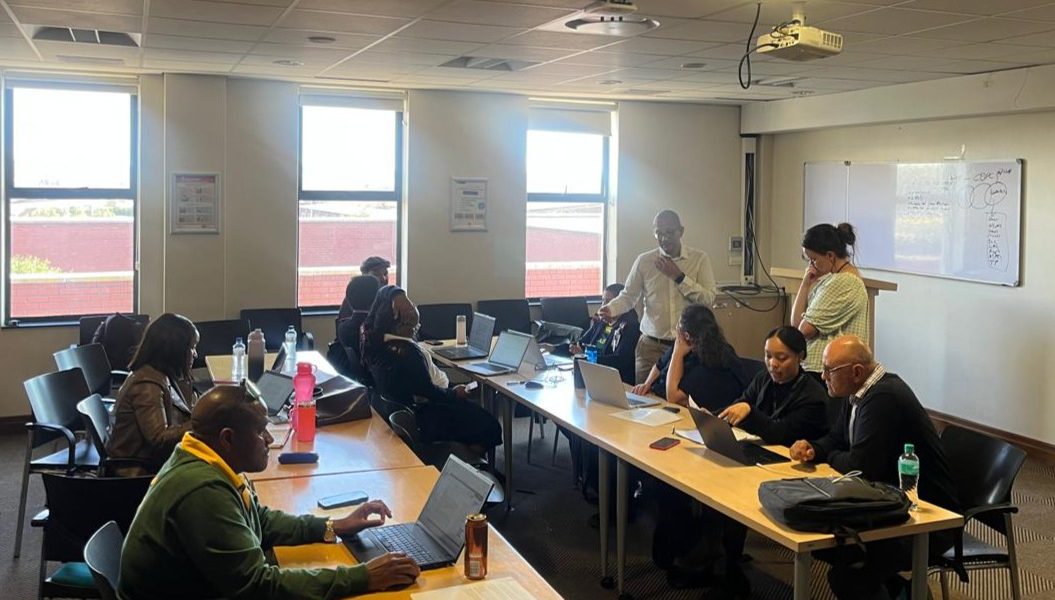
The first workshop on 28th August 2026 at Khayelitsha Hospital, focused on understanding the KESS Research Day guidelines, identifying appropriate conference themes and developing a strong abstract. Participants also explored ethical considerations when using operational data and what research means to them. Emphasis on the fact that ethics in research starts with whether the question is worthwhile and fair. It continues through data use, intervention choices, analysis, dissemination and implementation. The session highlighted ensuring integrity, honesty, accountability, fairness and stewardship in the decisions and behaviours of researchers.
The second workshop held on 4th September, moved from understanding to practice. Participants discussed their research ideas, introduced their proposed topics and worked in pairs to develop draft abstracts using the KESS Research day abstract guidelines. Peer feedback provided an opportunity to strengthen the clarity and relevance of their ideas.
A third session on the 11th September was a follow-up on the previous one to refine and strengthen abstracts for submission. Participants had an opportunity to present their final abstracts and receive feedback before submission for KESS Research Day.
This series was a pilot where all partners had an opportunity to learn in order to inform collective capacity strengthening and bidirectional learning in the future. The workshops created space for participants to learn from one another, ask questions, test ideas and provide constructive feedback. Based on workshop feedback, participants appeared strongly encouraged by the collaborative approach and expressed requests for more sessions, as well as time and space to improve their research skills. Despite initial inhibitions, they willingly presented and shared their abstracts for feedback with confidence and eagerness to submit their abstracts for consideration for KESS research day indicating stronger confidence in practical research skills.