

Strengthening Global Partnerships: UWC Dietetics Academics Complete Erasmus+ Exchange at Ankara University
24 July 2026
2026 SOPH PhD Induction Series Wraps Up Successfully
27 July 2026Strengthening Global Partnerships: UWC Dietetics Academics Complete Erasmus+ Exchange at Ankara University
24 July 20262026 SOPH PhD Induction Series Wraps Up Successfully
27 July 2026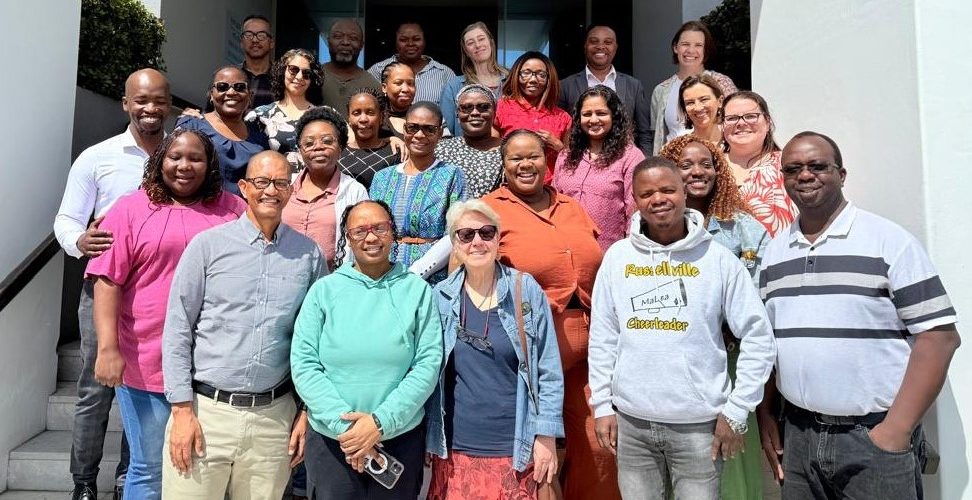
The UWC School of Public Health (SOPH) held its annual PhD writing retreat in September 2025, welcoming 21 doctoral candidates.
The retreats, convened by the PhD support Programme coordinating team, offered participants dedicated writing time and support to advance their writing, as well as opportunities for in-person meetings with supervisors to assess progress, refine work, and plan next steps.
At the end of the retreat, participants reflected on their goals. They expressed satisfaction with their progress and appreciated the chance to collaborate with fellow PhD candidates and engage closely with their supervisors.
Participating PhD students also emphasised the value of more opportunities and showed interest in maintaining connections through virtual platforms such as writing boot camps and WhatsApp groups.
Some students were particularly excited to visit the UWC campus and SOPH for the first time, where they collected their student IDs and purchased UWC-branded accessories.
The writing retreat is part of the PhD support programme, a set of complementary strategies that seek to enhance student and supervisor capacity and experience through the various phases of the PhD.
Forty to fifty students are enrolled in the SOPH PhD programme. Students come from South Africa and various African countries and hold positions in various capacities in public or non-profit sectors. PhD candidates undertake research on a wide range of areas, including health policy and systems research, pharmaceutical public health, sexual and reproductive health and rights, maternal and child health, nutrition, and food security.
Over the years, the PhD support programme has benefited from funding from several sources, including the Belgian Development Cooperation through the Antwerp Institute of Tropical Medicine, the South African Medical Research Council, and the South African National Research Foundation through the South African Research Chairs Initiative.