Khayelitsha And Eastern Sub-Structure (KESS) Research Day 2026The Western Cape Government Department of Health and Wellness (WCGHW), Khayelitsha Eastern Sub-structure (KESS) is hosting its 2026 Research Day "Evidence, Equity and Excellence"- Advancing Healthcare in KESS: Where evidence guides, equity bridges, and excellence delivers” FIND OUT MOREThe 4th Edition of the Blended Learning Workshop with AI-Integration – “Get Started, Keep Moving”Hosted by: Universitas Gadjah Mada, Yogyakarta (Indonesia)
Face-to-Face 06-10 July, 2026 FIND OUT MORESchool of Public Health engages in discussions around mental health and well-being in higher education at the UWC Mental Health and Well-being Colloquium 2026The School of Public Health (SOPH) had the privilege of participating in this year's UWC Mental Health and Well-being Colloquium, from the 1st to the 3rd of July, at Blaauwberg Beach Hotel, Cape Town. FIND OUT MORESOPH’s Prof Tabana highlights how SAMRC’s extramural units drive African scientific excellenceOn July 28, Prof Hanani Tabana provided the keynote address at the South African Medical Research Unit’s (SAMRC) launch of seven new extramural research units (EMUs). EMUs are research divisions funded by SAMRC and housed at South African and international...FIND OUT MORE
As a collaboration of six implementation research grants on gender transformative approaches to sexual, reproductive and maternal health across Africa, we convened a conversation to discuss how intersectionality applied to our work.
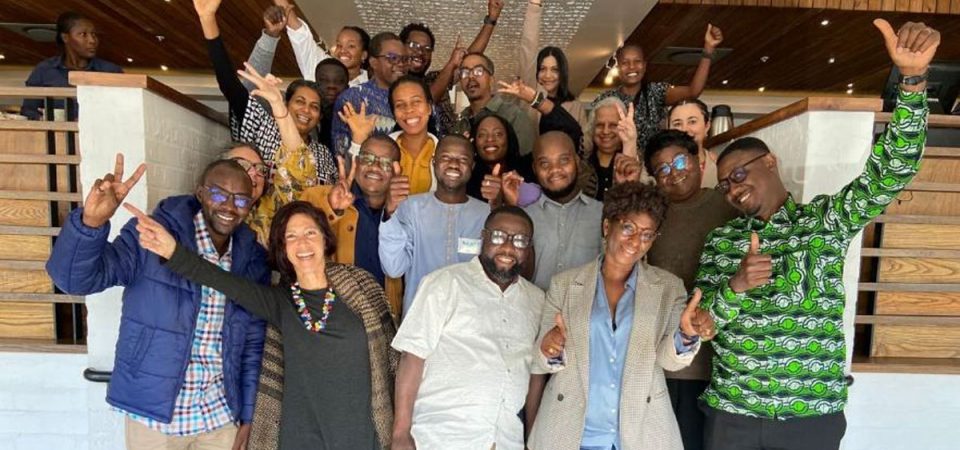
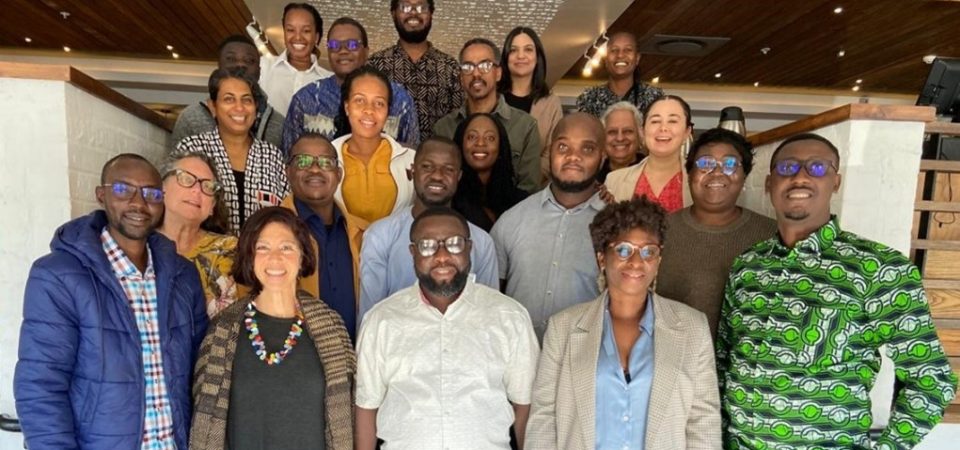
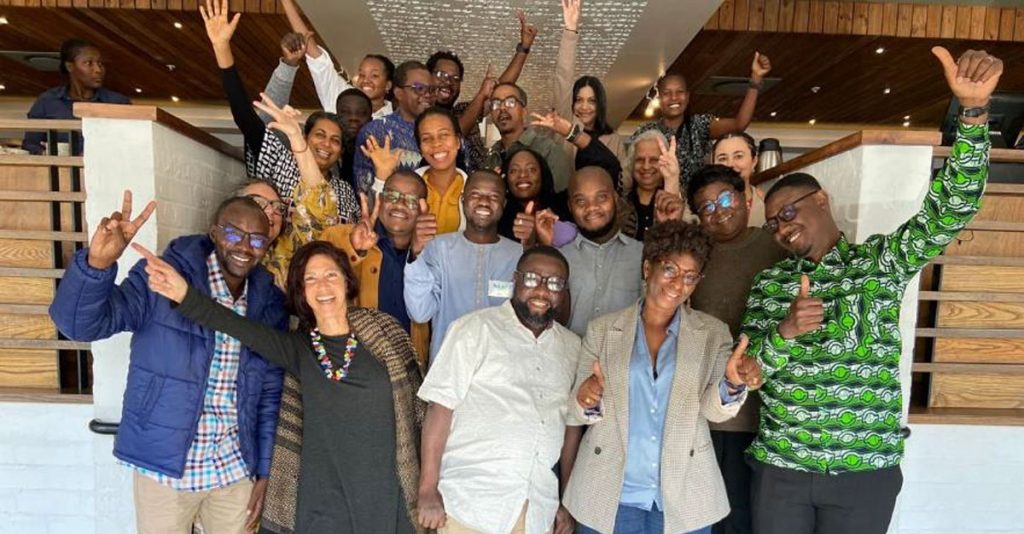
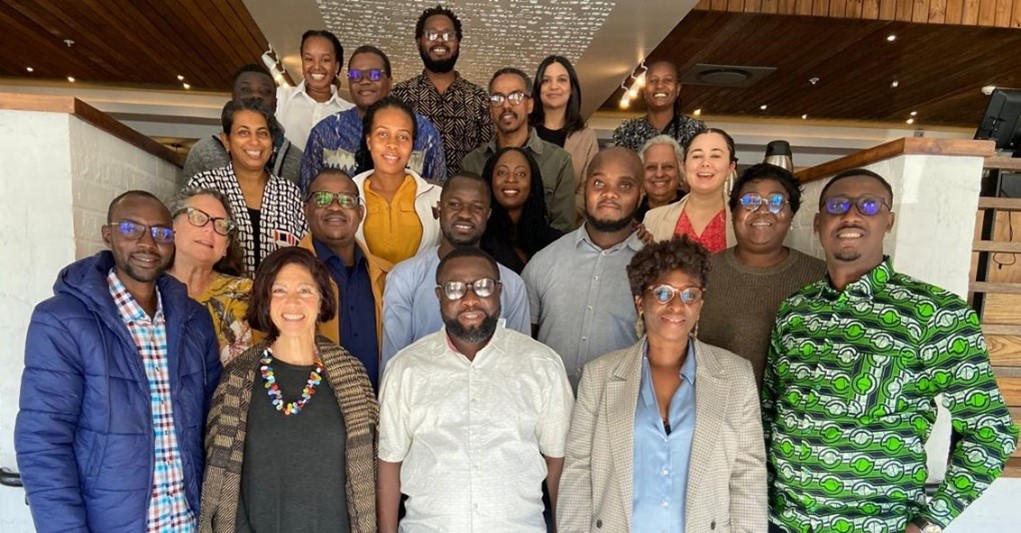
The Gender Transformation for Africa (GT4Africa) Cohort Writing Workshop was held from 9-13 September 2024 in Cape Town, South Africa with 21 participants across the 6 projects and 13 organisations.
The first in-person GT4Africa cohort workshop deliberated on Research Publications, Knowledge Translation, and Sustainability and collaborated on a forthcoming journal supplement and commentaries.
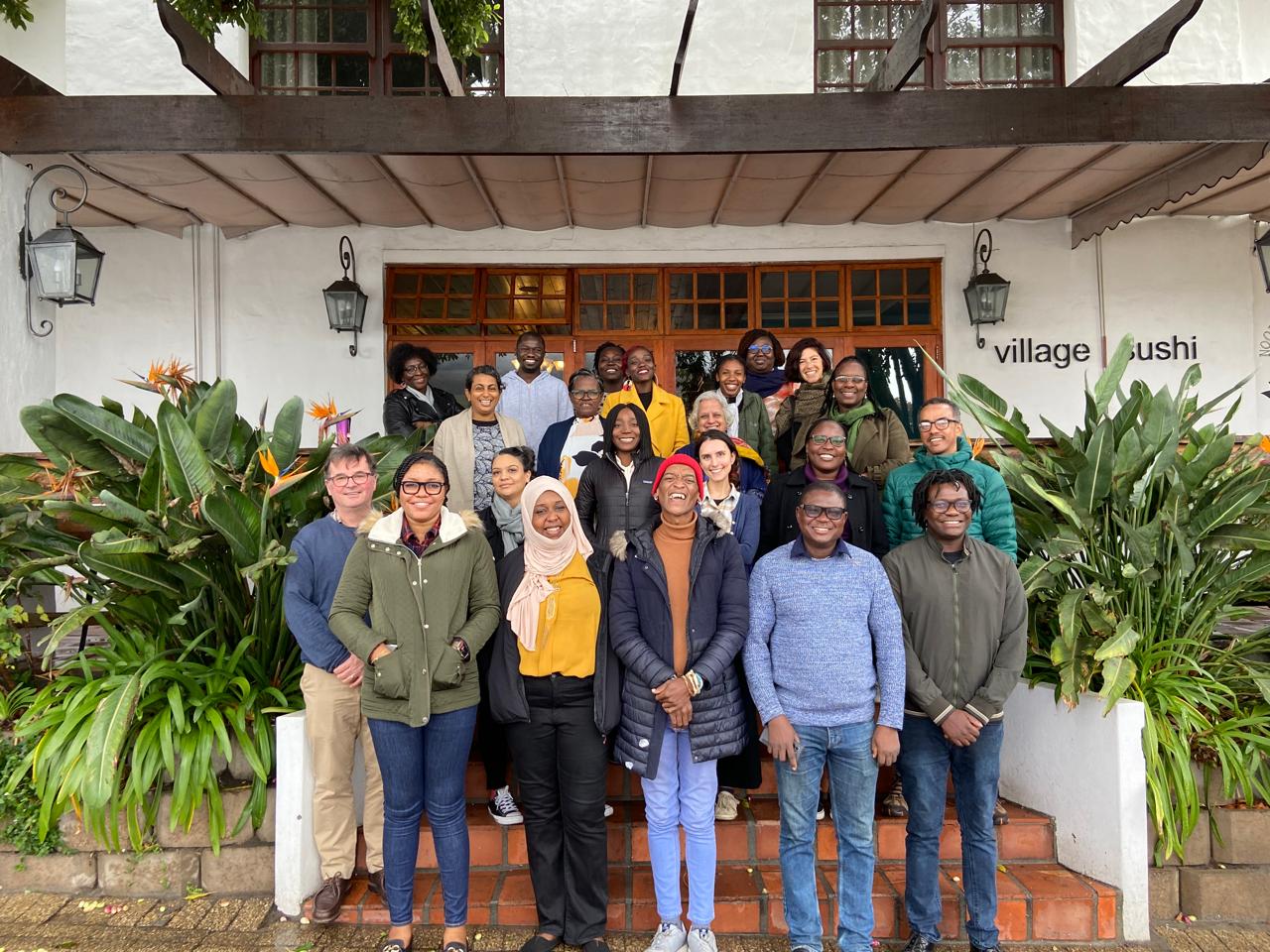
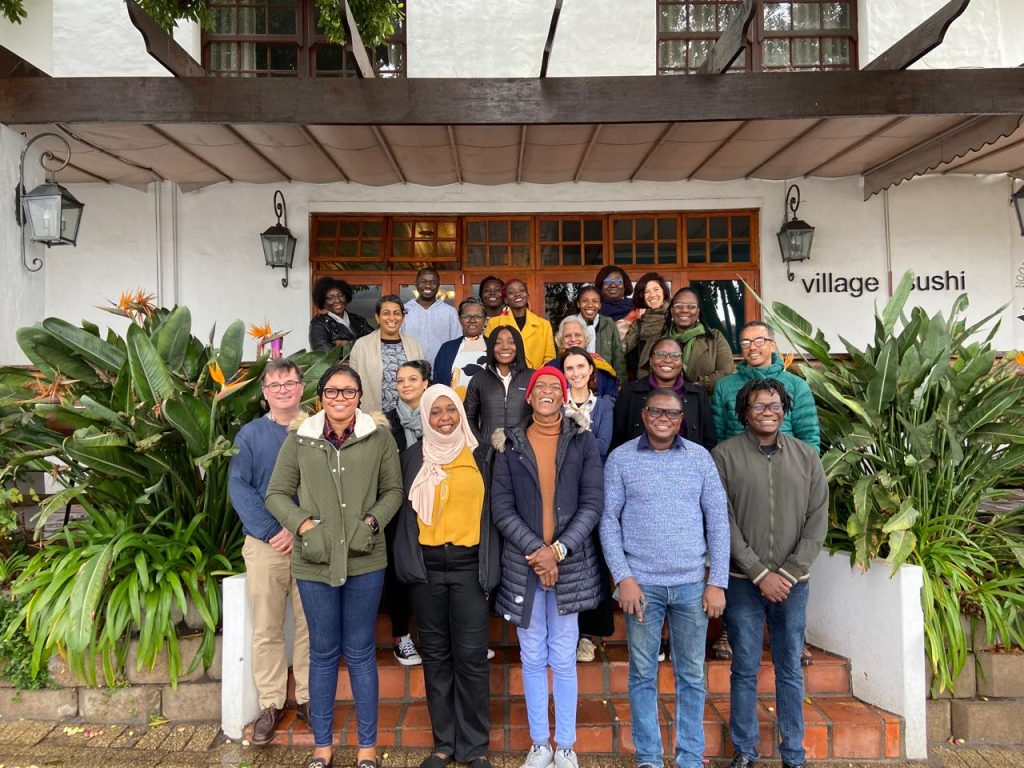
The three-day validation workshop held in Cape Town from May 8-10, 2024, brought together 20 feminist - researchers, academics, implementers, and activists from 12 countries and 16 institutions in Africa.
Despite growing recognition, calls for gender transformation are not matched with corresponding rigorous research and learning on what it entails at scale and over time. It is common to come across published papers that merely mention the need for more gender responsive / transformative interventions/approaches but often fall short of articulating, why, how and what is needed to move the needle forward.
The School of Public Health recently began work on two exciting aspects of a global research project focusing on gender transformative approaches to improve sexual, reproductive and maternal health in Africa.