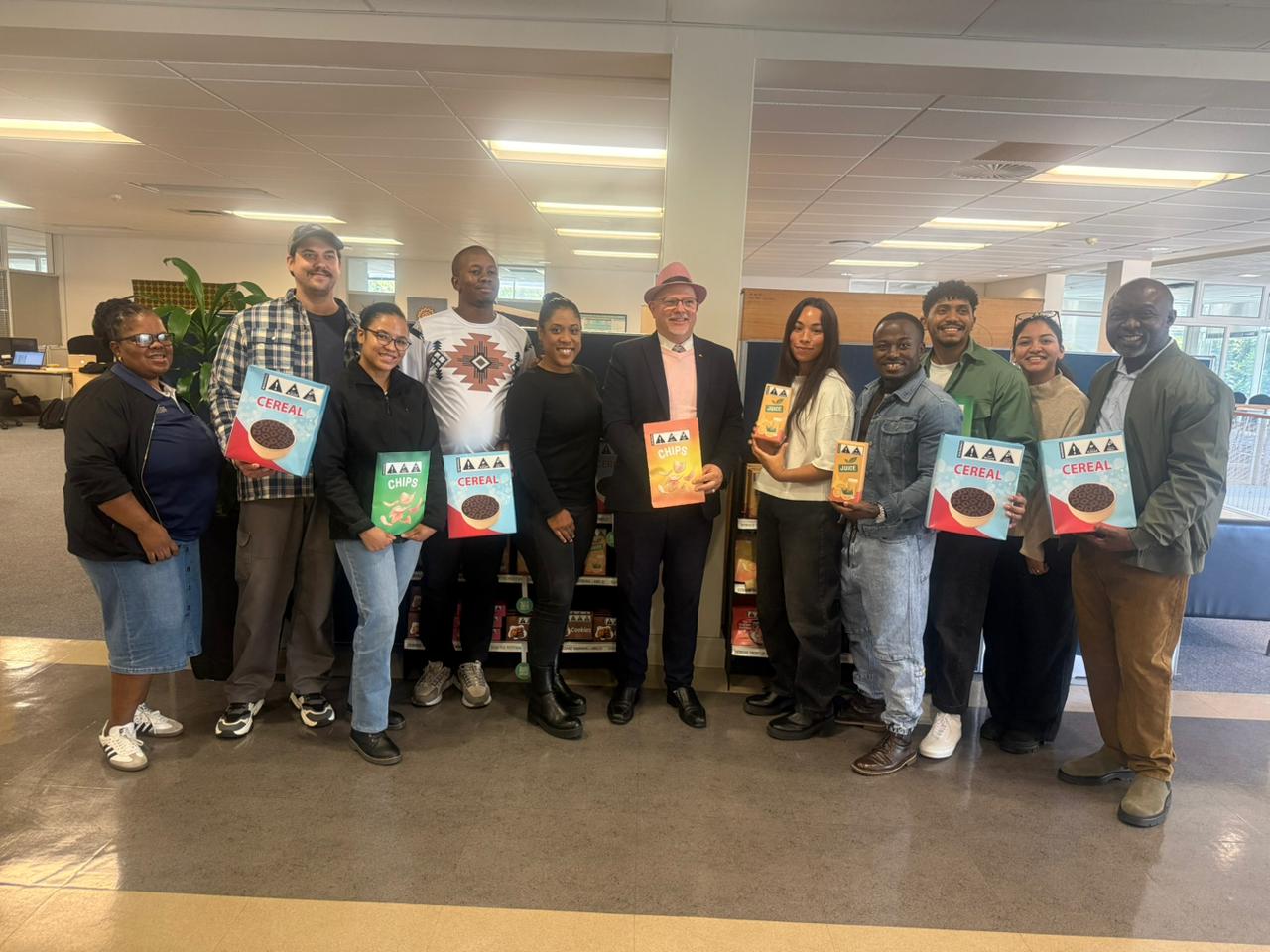
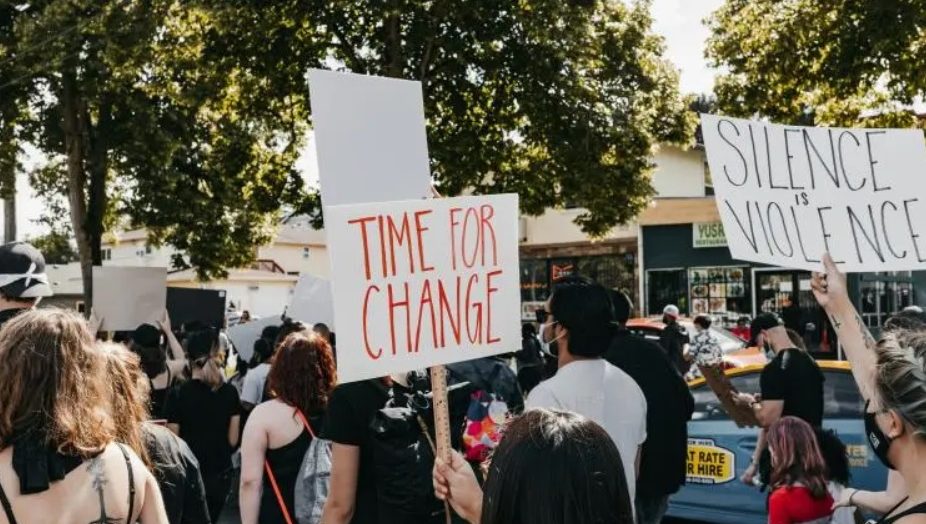
Annual David Sanders Lecture in Public Health and Social Justice: The systems behind violence: Power, Profit and Prevention in Cape TownThe School of Public Health (SOPH), is pleased to warmly invite you to the Annual David Sanders Lecture in Public Health and Social Justice.FIND OUT MOREA School Meal Should Never Make a Child SickFor millions of South African learners, a school meal is an essential part of the school day — but that meal must also be safe. A recent Sunday Times report highlights concerning gaps in food safety across the National School...FIND OUT MOREEngage with SOPH, UWC at WCPH 2026The 18th World Congress on Public Health is upon us and throughout the conference, the School will be showcasing 30+ presentations highlighting our research, ideas and contributions to advancing public health.FIND OUT MORECountdown To WCPH 2026!Cape Town is getting ready to welcome the world!
The World Congress on Public Health (WCPH) is the premier international forum for exchanging insights on critical global public health challenges and advancing sustainable and equitable public health worldwide FIND OUT MORE
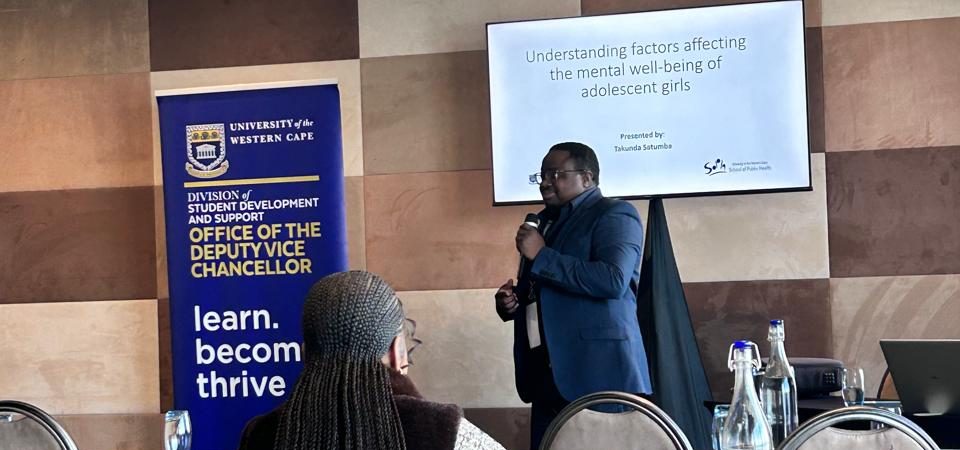
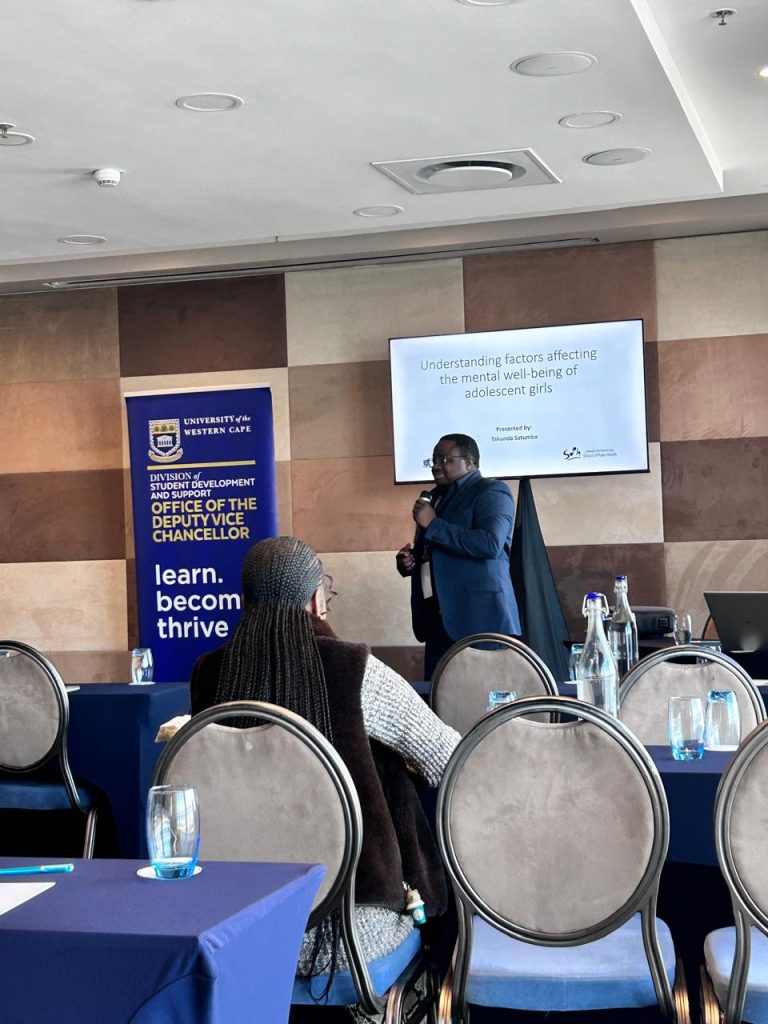
The School of Public Health (SOPH) had the privilege of participating in this year's UWC Mental Health and Well-being Colloquium, from the 1st to the 3rd of July, at Blaauwberg Beach Hotel, Cape Town.
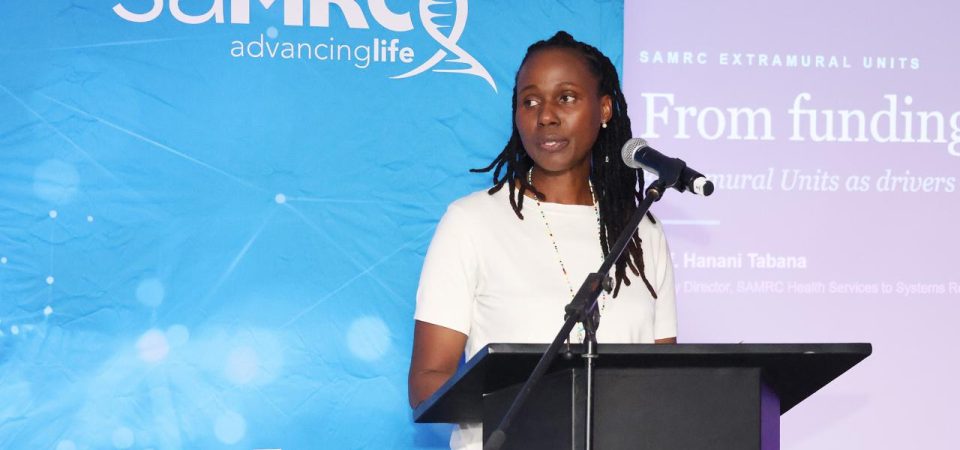
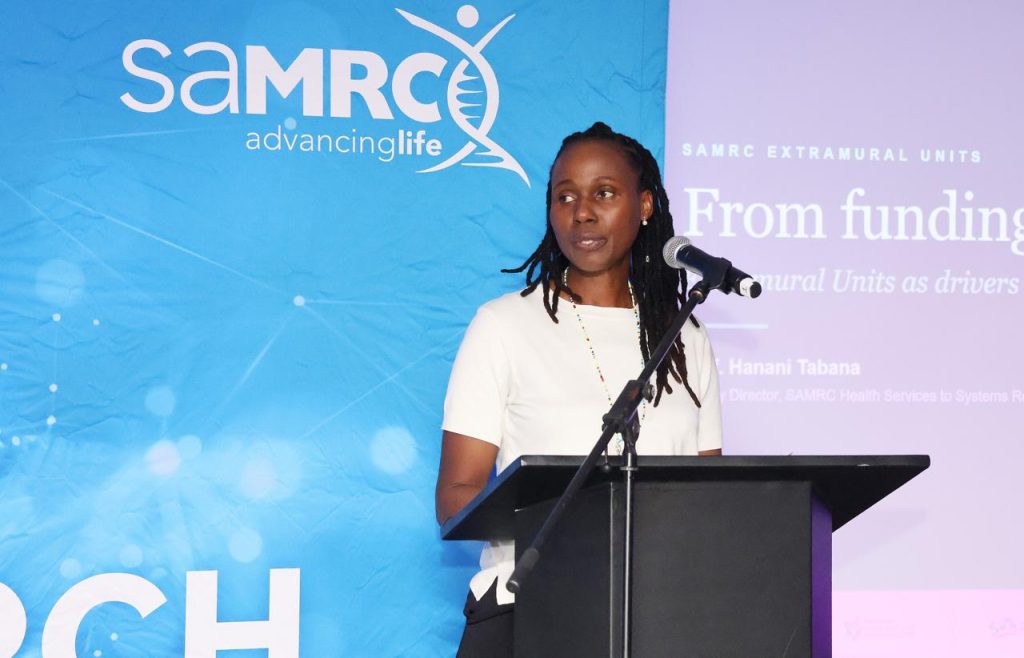
On July 28, Prof Hanani Tabana provided the keynote address at the South African Medical Research Unit’s (SAMRC) launch of seven new extramural research units (EMUs). EMUs are research divisions funded by SAMRC and housed at South African and international institutions, medical schools, universities and research institutions.
The Centre of Excellence, will lead initiatives to strengthen pharmacovigilance activities in South Africa and more broadly in the Southern African Region.
The University of the Western Cape (UWC) Professor Helen Schneider and healthcare legend Florence Nightingale share a profound dedication to transforming healthcare systems and improving public health.
In 2021 the SPARCS Project held a series of three virtual workshops aimed at strengthening the Pharmacovigilance (PV) Systems in the four countries in Southern Africa, based on an assessment of needs.
by Star Khoza, Carnita Ernest and Hazel Bradley
People’s Health Movement (PHM) Health Systems Thematic Circle hosted the webinar on “The struggles of Community Health Workers at the Covid frontline: Essential but Unrecognised” on 20 July 2021.