Strengthening Pharmaceutical Systems in Africa - 2026 Modules (July to November)Pharmaceutical systems are central to resilient health systems and equitable access to care. The Pharmaceutical Public Health programme at the University of the Western Cape equips professionals with practical policy, management, and rational medicines use competencies to address priority public...FIND OUT MOREVACANCY Postdoctoral Fellowship: Pharmacovigilance in Southern Africa InitiativeThe School of Public Health and the School of Pharmacy at the University of the Western Cape (UWC) are seeking a postdoctoral fellow to join the cutting-edge Pharmacovigilance in Southern Africa Initiative. FIND OUT MORECEPSA Newsletter (December 2025)Welcome to CEPSA’s Community of Practice (CoP)! The CoP is a network of excellence between and by PV experts in Africa.FIND OUT MOREHealth and Harmony Take Centre Stage at KESS Research Day 2025Theme: Health and Harmony: Ecosystems, Equity and Evidence for Sustainable Well-beingFIND OUT MORE
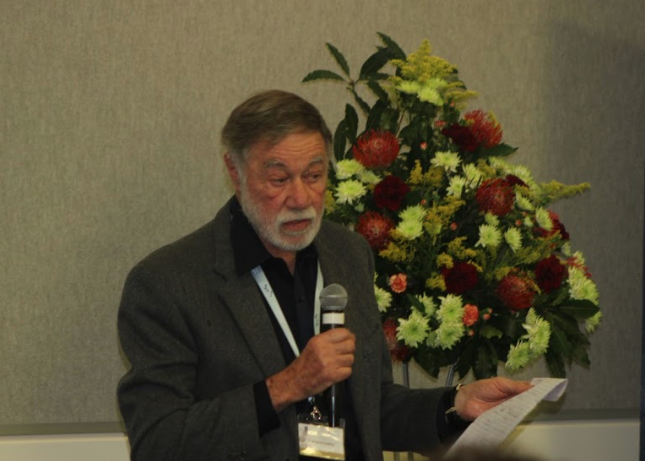
David Sanders, an internationally renowned paediatrician and public health researcher, has spent fifty years involved in struggles for health in Zimbabwe, the UK and South Africa.
The sudden and unexpected death of public health activist and teacher Professor David Sanders has left the health community in South Africa and beyond saddened, but determined to make sure that they continue his work.
Since news of David Sanders’ sudden and untimely death broke on Saturday morning the tributes, messages and condolences via emails, whatsapp, phone calls, Facebook and Twitter have not stopped pouring in.
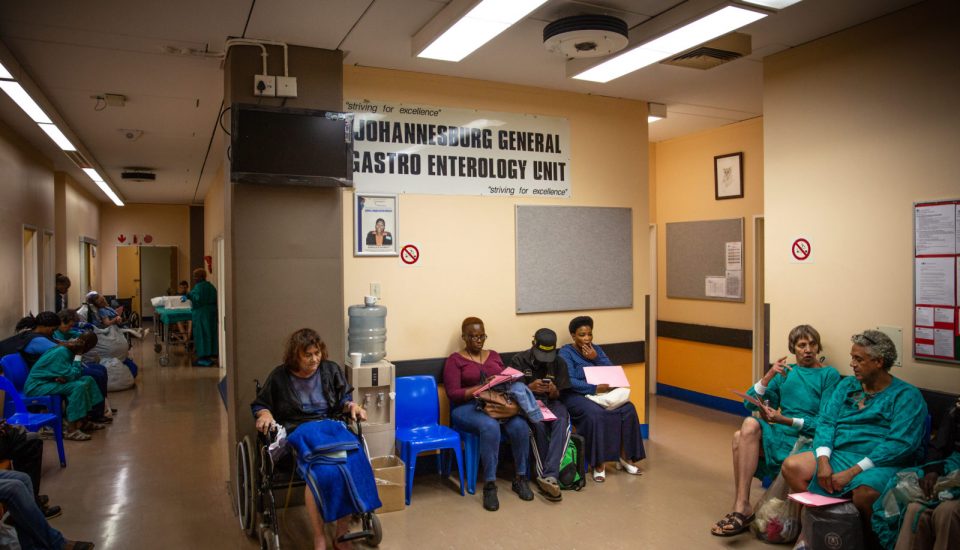
We must build an equitable, unified and sustainable health system that delivers good-quality healthcare to all according to need rather than means (an important distinction that lies at the heart of much of the debate).
Digital technology is revolutionising our daily lives. Mobile devices monitor our movements, marketing algorithms guide our consumption and social media shape our worldviews and politics.
Based on research on the real-life tasks and challenges faced by policy-makers and managers in taking CHW programmes to scale, and drawing on conceptual and empirical literature on governance,5 this brief presents a framework structured around a set of key questions to ask in assessing the governance of CHW programmes.
The 41st Short Course School came to an end today. Eight courses were offered over three weeks (1st to 19th July). the courses were attended by 164 participants from 12 countries, representing 36 health and health-related professions.