Call For Applications: Postdoctoral Fellowships 2026: Food Environments (Two Positions)The Food Environment Research group (a collective from Department of Dietetics and Nutrition, School of Public Health and the DSI/NRF Center of Excellence in Food Security) at the University of the Western Cape under the leadership of Prof Rina Swart...FIND OUT MOREShape the Future of Public Health Applications for 2027 opening soonAre you ready to lead change in the health and social development sectors? At the School of Public Health, University of the Western Cape, our flexible, modular Postgraduate Diploma in Public Health (PGD) and Master of Public Health (MPH) programmes...FIND OUT MORECEPSA delivered two podium presentations at the 2026 International Society of Pharmacovigilance (ISoP) Africa Chapter MeetingAt the 2026 ISoP Africa Chapter Meeting, held in Windhoek, Namibia, from 18 – 21 May 2026, Dr Nicolas Praet and Dr Ebenezer Wiafe delivered two podium presentations on strengthening the pharmacovigilance ecosystem in Africa through CEPSA’s initiatives.FIND OUT MORERethinking How We Address Gendered Workplace Violence in Primary Healthcare Settings: A Dialogue with Abi BadruConvened by the Imarisha consortium and PSI, the dialogue explored how to address the gender dimensions of workplace violence in PHC settingsFIND OUT MORE
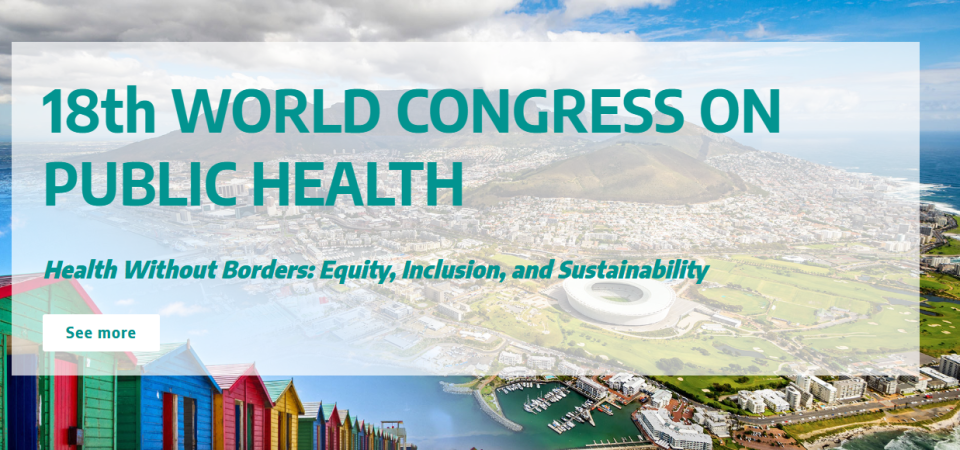
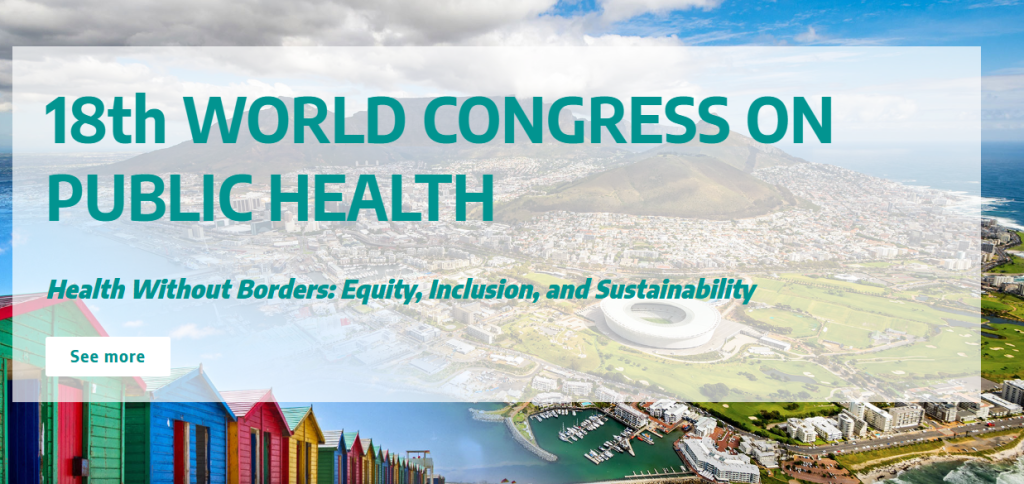
The SoPH is partnering with the World Federation of Public Health Associations (WFPHA) and the Public Health Association of South Africa (PHASA) to host the 18th World Congress on Public Health in Cape Town, September 6-9, 2026.
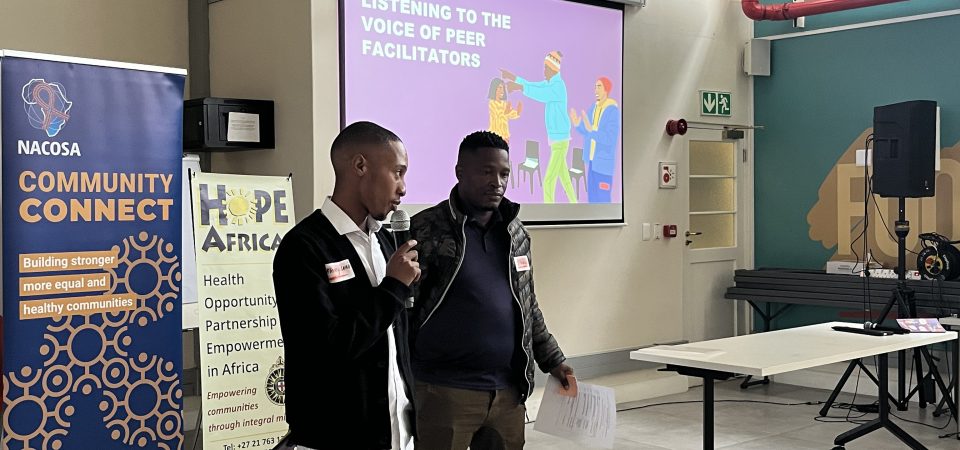
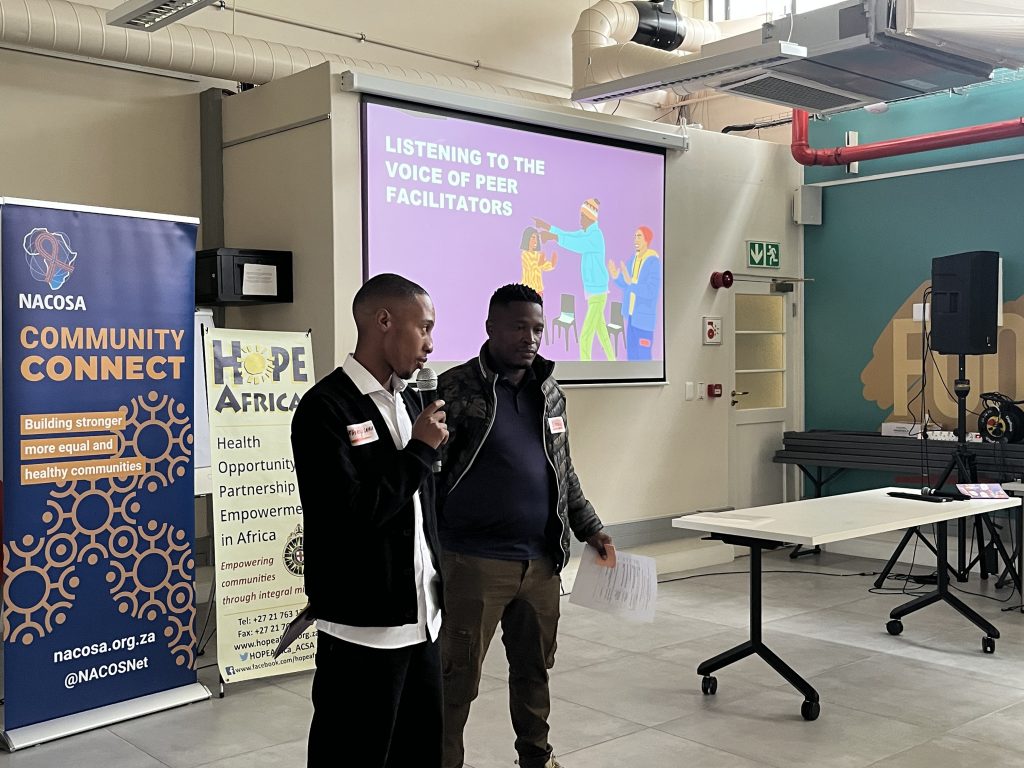
On Tuesday, 23 February, the School of Public Health, NACOSA, Hope Africa, and Triangle Project, together with representatives from civil society and government departments working on sexual and reproductive health (SRH), gathered at Bertha House to celebrate the launch of a new South Africa gender glossary.

Globally and in South Africa, young people face significant sexual and reproductive health (SRH) challenges. In South Africa, young people (15-24) represent a significant proportion of people living with HIV and women were disproportionately affected.