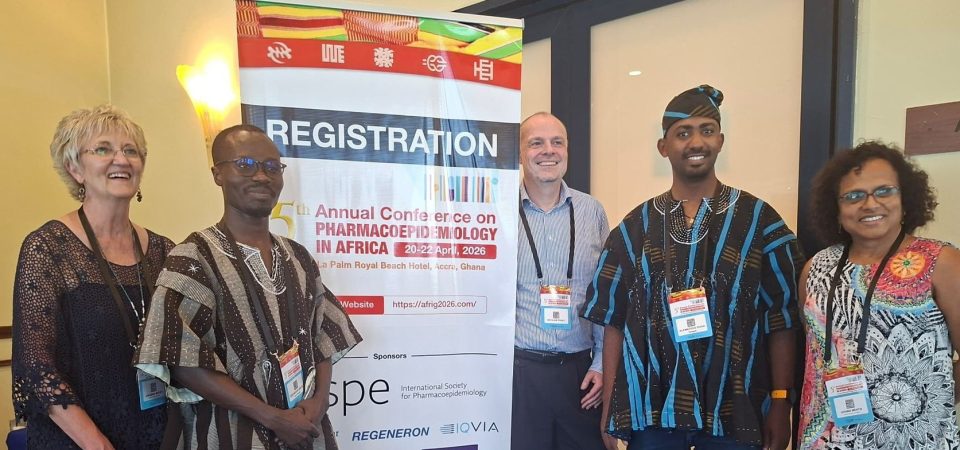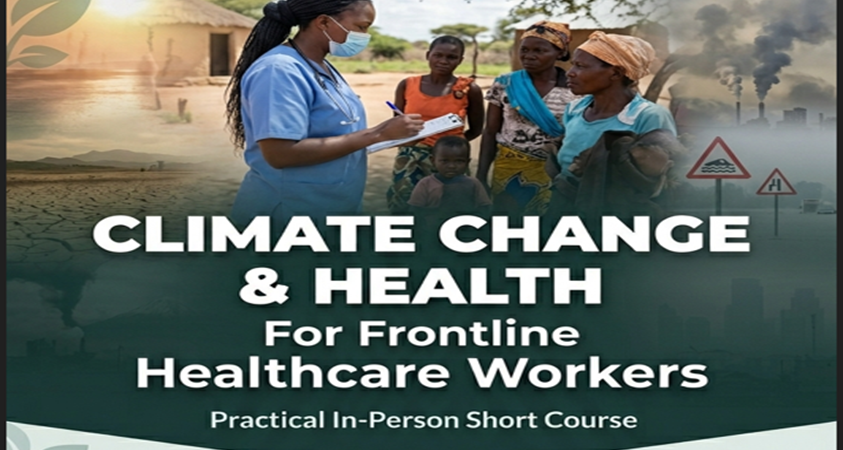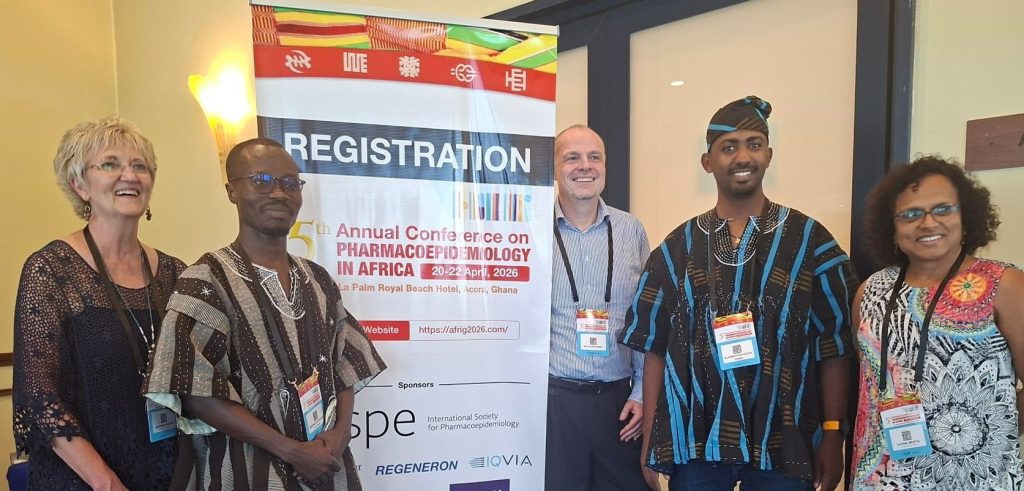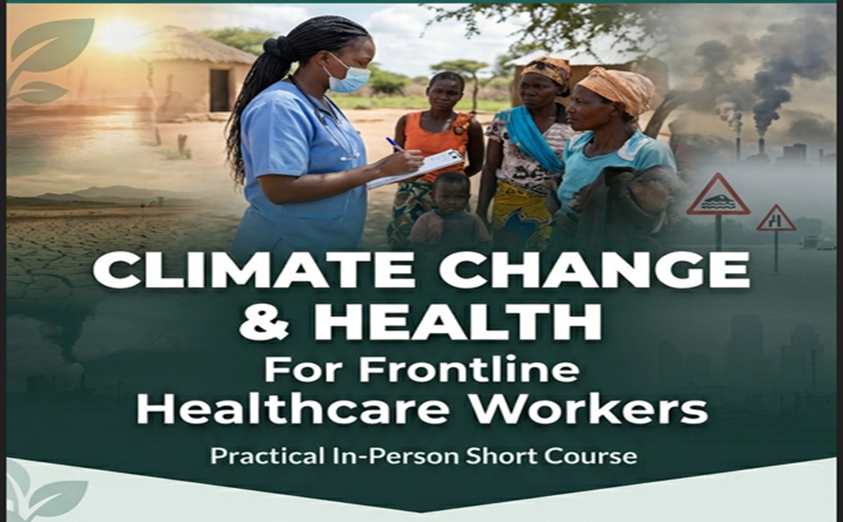
Rethinking How We Address Gendered Workplace Violence in Primary Healthcare Settings: A Dialogue with Abi BadruConvened by the Imarisha consortium and PSI, the dialogue explored how to address the gender dimensions of workplace violence in PHC settingsFIND OUT MOREHands-On Capacity Building to Empower a New Generation of Pharmacovigilance ExpertsAt the 5th Annual Conference on Pharmacoepidemiology in Africa, held in Accra, Ghana, from 20 – 22 April 2026, Dr Nicolas Praet delivered a podium presentation on the capacity-building activities of CEPSA.FIND OUT MOREClimate Change and Health - For Frontline Healthcare WorkersPractical -in Person short course Application deadline: 8th MayFIND OUT MORECEPSA Newsletter - March 2026The Centre of Excellence For Pharmacovigilance in Southern Africa (CEPSA) is pleased to share its second quarterly newsletter.FIND OUT MORE
After over three years of collaboration, the GT4Africa collective held its concluding webinar on 21 August 2025 to take stock of its journey and celebrate milestones.
On Tuesday, 23 February, the School of Public Health, NACOSA, Hope Africa, and Triangle Project, together with representatives from civil society and government departments working on sexual and reproductive health (SRH), gathered at Bertha House to celebrate the launch of a new South Africa gender glossary.
As part of a three year collaborative research project (the “Learning Partnerships to Support Gender Transformative Innovations for Adolescents’ Sexual and Reproductive Health in South Africa”) the School of Public Health, University of the Western Cape, NACOSA and H.O.P.E Africa, in partnership with the Triangle Project, has developed a local gender glossary.
A new Special Series in Global Health Action—led by SOPH through theCountdown to 2030 project—assesses how the Global Financing Facility (GFF) has shaped national priorities, investments, and accountability for women’s, children’s, and adolescents’ health.
On the 8th April 2025, I had the opportunity to present my PhD research, which explored the impact of COVID-19 on adolescents with HIV in peri-urban Cape Town, with a focus on their resilience and vulnerability using photovoice methodology.
Final Year PhD candidate Charné Petinger reflects on her experience presenting at IAS 2025 in Kigali, Rwanda, where she showcased her participatory research with adolescents living with HIV. In this piece, she shares key lessons learned from the global HIV conference, which emphasizes the importance of community-led approaches, innovation and resilience- and offers a powerful reminder that person-centred, equity-driven research belongs at the heart of all public health work.
Globally and in South Africa, young people face significant sexual and reproductive health (SRH) challenges. In South Africa, young people (15-24) represent a significant proportion of people living with HIV and women were disproportionately affected.
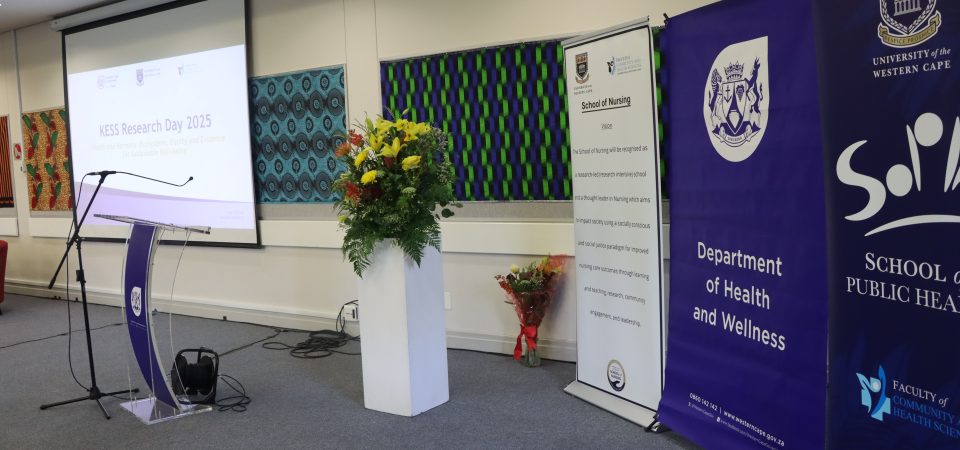
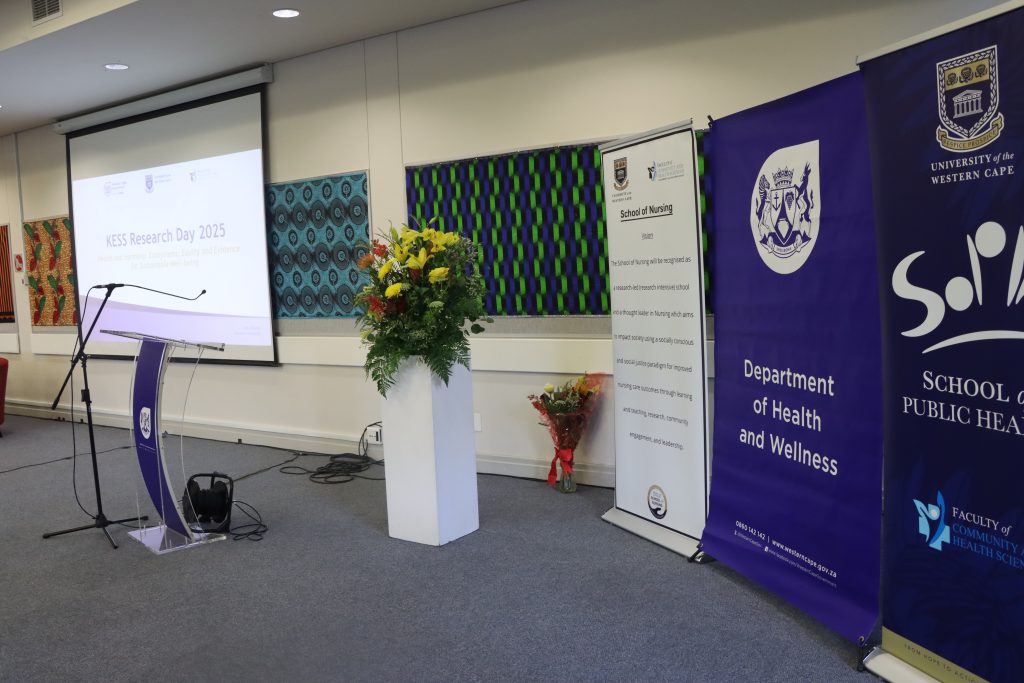
The Western Cape Government Department of Health and Wellness (WCGHW), Khayelitsha Eastern Sub-structure (KESS) is hosting its 2025 Research Day under the theme “Health and Harmony: Ecosystems, Equity, and Evidence for Sustainable Well-being” which will take place on 31 October 2025.
The School of Public Health and School of Pharmacy at the University of the Western Cape (UWC), in partnership with the Institute of Tropical Medicine, Antwerp, Belgium are establishing a cutting-edge Pharmacovigilance in Southern Africa Initiative.
What began as an academic visit quickly turned into a deeply personal and transformative journey, one that reconnected me with inspiring mentors, reminded me of shared struggles, and offered fresh perspectives on health systems, justice, and inequality.
Tarryn Jeftha, a Master of Public Health candidate at UWC, was awarded a full scholarship to attend the prestigious Pharmaceutical Policy Systems course at the Institute of Tropical Medicine (ITM) in Belgium, as the only South African participant in the 2025 cohort.
We’re proud to celebrate Tinashe Zigomo, a PhD student at the UWC School of Public Health, whose proposal on “Barriers and solutions to accessing essential breast cancer medicines in low-resource settings” received a positive review from the Institute of Tropical Medicine (ITM), Antwerp, Belgium as part of their PhD Light Review process.